April 22, 2026
Choosing a path after high school or a career change can feel overwhelming, especially when you are trying to balance time, cost, and long-term value. Many people are looking for options that lead directly to real opportunities without spending years in a traditional academic setting. That's where local technical education stands out, offering a more direct and skill-focused route into the workforce.
Instead of focusing heavily on theory, these programs emphasize practical abilities that can be applied immediately in real job settings. You gain exposure to the tools, techniques, and expectations of your chosen field while still in training. This approach not only builds confidence but also helps you transition more smoothly into employment once your program is complete.
Prioritizing Hands-On Training and Applied Learning
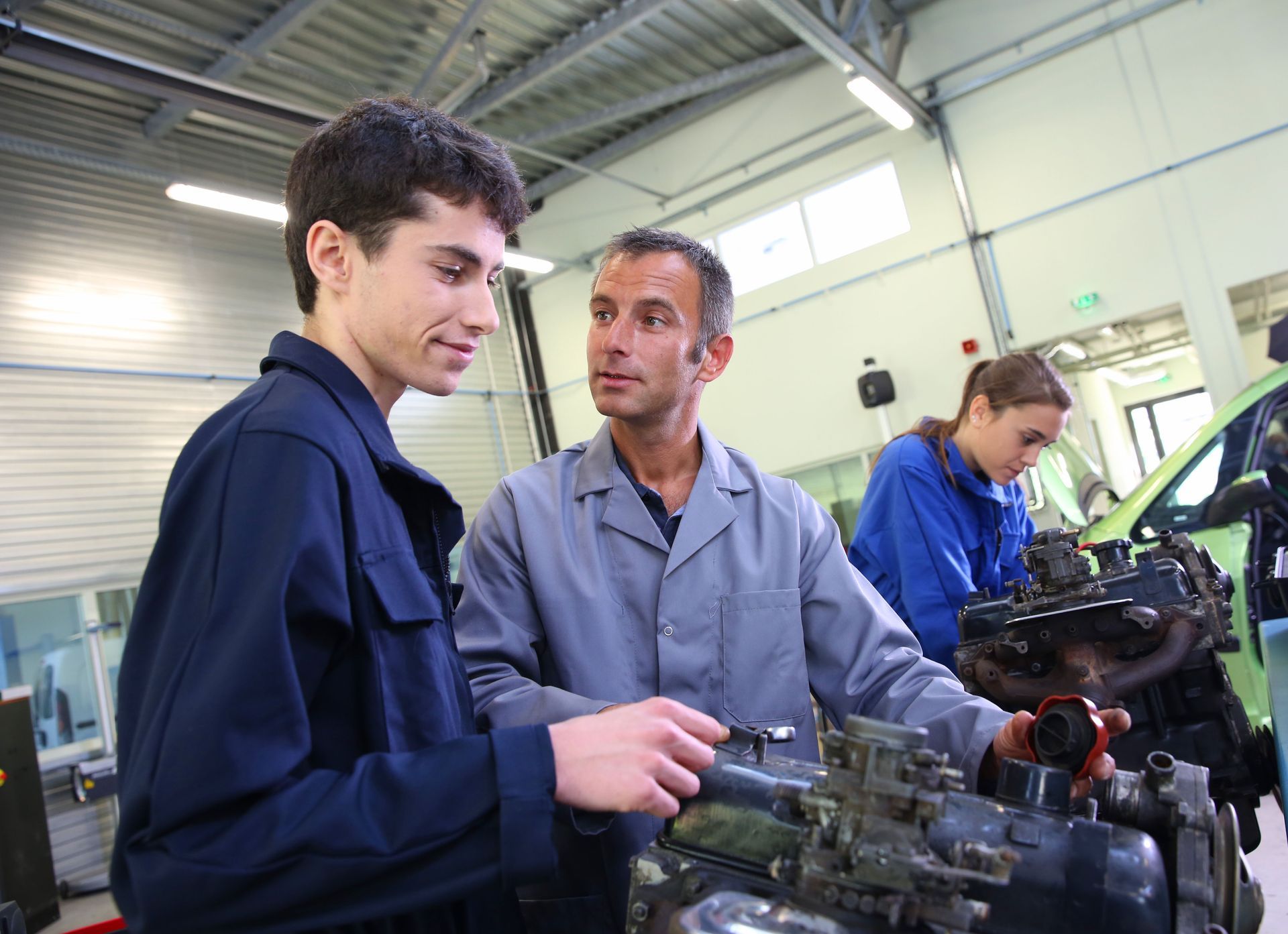
One of the most important benefits of local technical education is its strong emphasis on hands-on training. Rather than spending most of your time listening to lectures or reading textbooks, you are actively involved in learning by doing. This could mean working with equipment, practicing techniques, or completing real-world simulations that mirror job environments.
This type of learning allows you to develop muscle memory and technical familiarity that cannot be achieved through theory alone. When you repeatedly perform tasks in a controlled setting, you become more efficient and accurate over time. As a result, you enter the workforce with a level of comfort that helps reduce the learning curve often faced by new hires.
Applied learning also helps reinforce concepts in a way that feels more natural. When you can see the direct results of your work, it becomes easier to understand why certain processes matter. This connection between knowledge and action strengthens your overall skill set and helps you retain information longer.
In addition, hands-on training often includes opportunities to troubleshoot and solve problems in real time. This builds critical thinking skills that are essential in nearly every technical field. By working through challenges during your training, you become better prepared to handle unexpected situations on the job.
Aligning Coursework With Real-World Industry Demands
Another key advantage of local technical education is how closely it aligns with current industry needs. Programs are often designed with input from employers, which helps ensure that the skills you are learning are relevant and in demand. This connection between education and industry helps you focus on what truly matters in your chosen field.
Instead of covering broad or outdated topics, coursework is typically streamlined to reflect real job requirements. You learn the specific tools, systems, and standards that employers expect, making it easier to transition into a professional role. This targeted approach saves time while increasing the value of your education.
According to a 2025 survey from the American Staffing Association, about 33% of American adults would advise graduating high school seniors to go to a trade or vocational school. This highlights a growing recognition of the importance of career-focused training and the role it plays in meeting workforce demands. As industries continue to evolve, programs that stay aligned with these changes provide a clear advantage.
Additionally, many technical programs update their curriculum regularly to keep pace with advancements in technology and industry practices. This means you are learning skills that are not only relevant today but are also adaptable for the future. Staying current in this way helps you remain competitive in a rapidly changing job market.
Gaining Practical Insights From Experienced Professionals
Learning from instructors who have real-world experience is another defining feature of local technical education. These professionals bring firsthand knowledge into the classroom, offering insights that go beyond what you might find in a textbook. Their experience allows them to share practical tips, common challenges, and effective solutions based on actual work scenarios.
This type of guidance helps you understand not just how to perform tasks, but why they are done a certain way. You gain a deeper appreciation for industry standards and expectations, which can improve both your performance and professionalism. Having access to this level of expertise can make a significant difference in how quickly you develop your skills.
Instructors often provide examples from their own careers, helping you connect your training to real-world situations. These stories can offer valuable lessons about problem-solving, communication, and workplace dynamics. Learning in this way gives you a more complete understanding of what to expect in your chosen field. It also helps you visualize how your skills will be applied in everyday work scenarios.
Beyond instruction, these professionals can also serve as mentors. They may offer advice on career paths, certifications, or ways to stand out in the job market. Building relationships with experienced instructors can open doors to opportunities and provide ongoing support as you begin your career.
Fostering Career Readiness in a Supportive Environment
A focused learning environment is another reason why local technical education is so effective in building job-ready skills. Programs are typically structured to minimize distractions and keep you concentrated on your chosen field. This allows you to make the most of your time and stay motivated throughout your training. It also creates a sense of routine that can strengthen your overall learning habits.
Support systems are also a key part of the experience. Smaller class sizes often mean more personalized attention from instructors, which can help you address challenges more quickly. Whether you need extra help with a concept or additional practice, you are more likely to receive the guidance you need. This level of support can make a noticeable difference in your progress and confidence.
Many programs also incorporate career readiness components, such as resume building, interview preparation, and job placement assistance. These resources help you transition from training to employment with greater confidence. Knowing how to present your skills effectively can make a strong impression on potential employers.
In addition, the structured environment encourages accountability and consistency. Regular practice, deadlines, and performance expectations help you develop a strong work ethic. These habits are just as important as technical skills when it comes to long-term success in any career. Over time, this consistency can help you build discipline that carries into your professional life.
Building practical job skills requires more than just knowledge; it requires experience, repetition, and real-world context. Local technical education provides all of these elements in a focused and efficient format. By emphasizing hands-on training, relevant coursework, and guidance from experienced professionals, these programs prepare you for the realities of the workplace.
As industries continue to evolve, the demand for skilled workers remains strong. Choosing a path that prioritizes practical learning can help you stay competitive and adaptable. With the right training and support, you can develop the confidence and abilities needed to succeed in your chosen field.
Local technical education offers a clear and purposeful approach to career development. It allows you to gain meaningful skills without unnecessary delays, helping you move forward with clarity and direction. For many people, this path provides a strong foundation for both immediate employment and long-term growth.
By focusing on what truly matters in the workforce, you can build a career that is both stable and fulfilling. Whether you are just starting out or looking to make a change, this type of education can help you take the next step with confidence.
Take the next step toward building real-world skills and a career you can be proud of with Susquehanna Valley Technical Institute. Explore your options today and start training for a future that works for you.